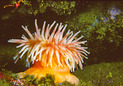
Urticina felina
Geographic Range
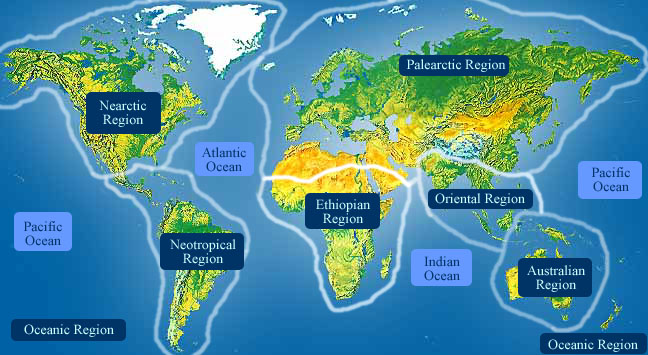
Alaska-California
- Biogeographic Regions
- pacific ocean
Habitat
low intertidal-shallow sublittoral rocky coast
- Aquatic Biomes
- coastal
Physical Description
- Other Physical Features
- ectothermic
- radial symmetry
Reproduction
dioecious and oviparous.
- Parental Investment
- no parental involvement
Behavior
These anemones are solitary, lack a medusa stage, and are sessile.
Food Habits
This species is carnivorous, using nematocysts to paralize prey. They feed on relatively large organisms.
Other Comments
Neptunea pribiloffenses, a snail, lay eggs by Tealia crassicornis because the anemones eat sea urchins that prey on the snails' eggs
Contributors
Maija K. Schommer (author), University of Michigan-Ann Arbor.
Glossary
- Pacific Ocean
-
body of water between the southern ocean (above 60 degrees south latitude), Australia, Asia, and the western hemisphere. This is the world's largest ocean, covering about 28% of the world's surface.
- coastal
-
the nearshore aquatic habitats near a coast, or shoreline.
- ectothermic
-
animals which must use heat acquired from the environment and behavioral adaptations to regulate body temperature
- native range
-
the area in which the animal is naturally found, the region in which it is endemic.
- radial symmetry
-
a form of body symmetry in which the parts of an animal are arranged concentrically around a central oral/aboral axis and more than one imaginary plane through this axis results in halves that are mirror-images of each other. Examples are cnidarians (Phylum Cnidaria, jellyfish, anemones, and corals).
References
Cairns, Stephen D. 1991. Cnidaria and Ctenophora. American Fisheries Society, Maryland.
Shick, Malcolm J. 1991. A Functional Biology of Sea Anemones. Chapman & Hall, London.
Hickman, Roberts. 1995. Animal Diversity. Wm. C. Brown Publishers, Dubuque, IA.